A unique gift is not just "random but shiny". The best ones feel personal, useful, funny, nostalgic or oddly spot-on because they match the recipient's real life. Start with the person, the occasion and the risk level, then choose a gift path: practical upgrade, playful surprise, shared activity, nostalgia hit, gadget-adjacent helper or safe fallback.
If you are staring at a calendar reminder with mild panic and a browser full of identical gift lists, breathe. This guide will help you find unique gifts in Australia without defaulting to the usual candle, mug, socks, voucher shuffle. Those can be fine gifts, but sometimes you want something with a bit more "how did you think of that?" energy.
Match the gift to the recipient's everyday life
Unique gifts land best when they connect to something the recipient already does. Not what you wish they did. Not the "new year, new me" version of them. The actual human who loses batteries, loves a desk toy, packs too many things for road trips, hosts games nights or keeps a suspiciously organised kitchen drawer.
Start by placing them in one of these recipient lanes:
- The practical tinkerer: Likes gadgets, tools, fixes, small efficiencies and "that's actually handy" moments. Browse gadgets when you want useful curiosity rather than pure novelty.
- The homebody host: Enjoys kitchen helpers, bar accessories, games, table-friendly conversation starters and things that make people gather.
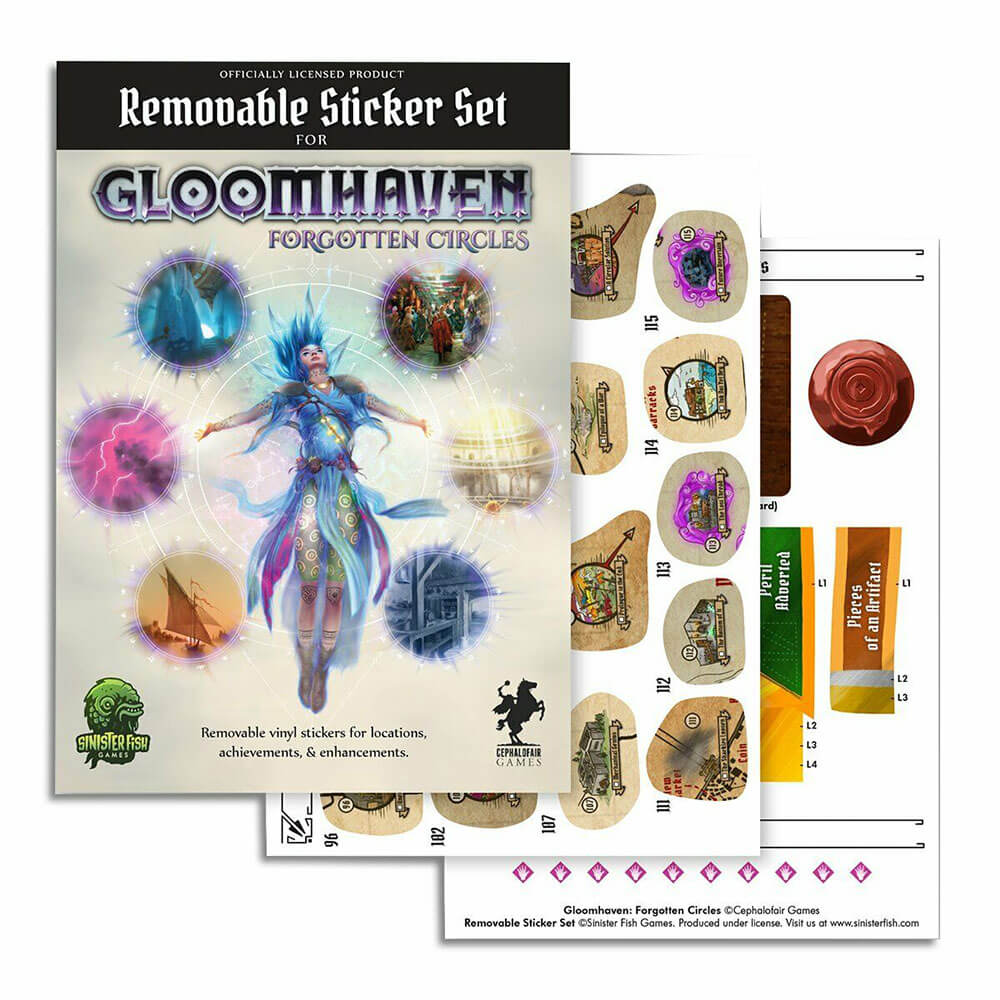
- The nostalgic collector: Responds to retro styling, fandom-adjacent keepsakes, displayable objects or something that nods to a favourite era without needing a full shrine.
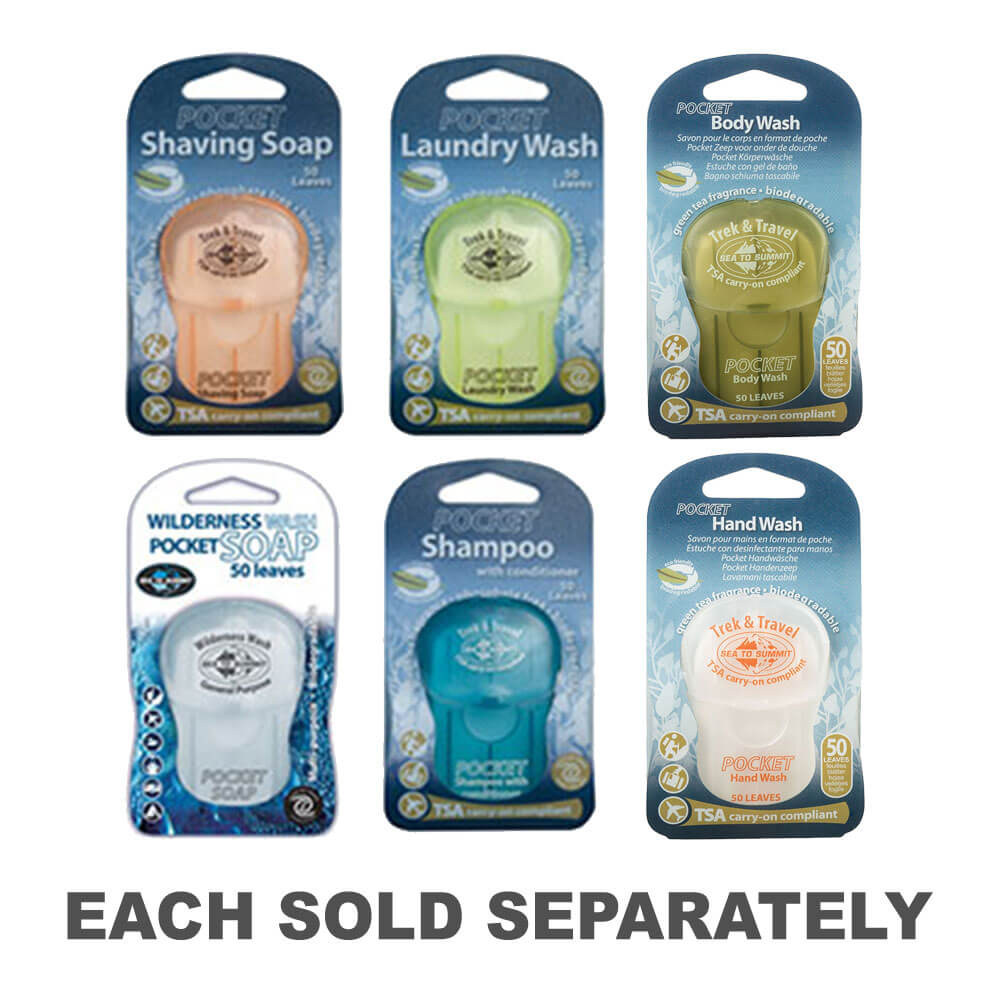
- The outdoors or travel person: Appreciates compact, durable-feeling helpers, car-friendly accessories, picnic/camping usefulness and packing-light wins.
- The office or study dweller: Desk gadgets, organisers, small lighting, puzzle objects and comfort upgrades can work well if they are not too loud or bulky.
- The "please don't make a fuss" person: Go for low-pressure usefulness: everyday helpers, consumable-adjacent accessories, small games or clever household items.
Start with the gift problem, not the product category
Most predictable gifts happen because the buyer starts too broadly: "I need a present." That sends you straight into the swamp of everything. A better first question is: what job does this gift need to do?
For a birthday, the gift might need to feel personal but not too sentimental. For a housewarming, it might need to be useful without implying their current home is a disaster zone. For a work Kris Kringle, it should be amusing but not HR-meeting amusing. For someone hard to buy for, the safest move is often not a safer product, but a sharper reason.
Use the occasion to set the risk level
The same gift can be brilliant or bizarre depending on the occasion. A cheeky party game might be perfect for a close friend's birthday and absolutely not perfect for a workplace thank-you. A practical household helper can be thoughtful for a housewarming and slightly suspicious as an anniversary gift unless the recipient specifically loves practical things.
Occasion pressure changes three things: how personal the gift should feel, how safe it needs to be in public, and how much explanation it can require. Birthdays allow more personality. Secret Santa and office gifting need tighter boundaries. Milestone occasions need more intention and less "I saw this at midnight and panicked".
| Occasion | Details |
|---|---|
| Birthday |
Best unique gift direction: Personal hobby upgrade, funny-but-useful novelty, nostalgia, games or gadgets Risk check: Does it show you noticed something about them? |
| Housewarming |
Best unique gift direction: Kitchen, home bar, outdoor, entertaining or practical home helpers Risk check: Avoid implying they lack basic competence |
| Work gift |
Best unique gift direction: Desk-friendly, safe humour, compact games, useful gadgets Risk check: Keep it public-appropriate and non-personal |
| Thank-you |
Best unique gift direction: Small practical luxury, shared treat, clever helper Risk check: Avoid anything too intimate or expensive-feeling |
| Family gathering |
Best unique gift direction: Group games, puzzles, kitchen or activity gifts Risk check: Choose broad enjoyment over niche cleverness |
| Last-minute mental blank |
Best unique gift direction: Curated browse paths and proven categories Risk check: Do not over-correct with something too random |
Choose between practical, playful and personal

Most unique gifts sit somewhere between three forces: practical, playful and personal. The sweet spot depends on the recipient. A highly practical person may find a joke gift annoying unless it solves a tiny problem. A playful person may love something odd, but only if it has a reason to exist beyond being odd. A sentimental person may prefer a keepsake, but not one that feels mass-produced or too intense for the relationship.
Use this comparison when you are stuck:
| Gift lane | Best fit, risk and upgrade |
|---|---|
| Practical upgrade |
Best for: People who love usefulness, tools, home fixes, travel helpers What makes it feel unique: It solves a small problem they tolerate every week When to skip: If they prefer decorative or emotional gifts |
| Playful surprise |
Best for: Friends, siblings, partners, party hosts, game-night people What makes it feel unique: It creates a laugh, conversation or shared moment When to skip: If humour boundaries are unclear |
| Personal/nostalgic |
Best for: Long-term friends, family, collectors, fandom-aware recipients What makes it feel unique: It references a memory, era, hobby or identity When to skip: If you are guessing their taste or fandom |
| Shared activity |
Best for: Families, couples, hosts, mixed-age groups What makes it feel unique: It turns the gift into something to do together When to skip: If they dislike games or group attention |
| Safe useful fallback |
Best for: Colleagues, acquaintances, hard-to-buy-for people What makes it feel unique: It is clever without being too intimate When to skip: If the occasion needs strong emotional weight |
Browse by category when you need momentum
Once you have a recipient lane and risk level, category browsing becomes useful instead of overwhelming. The category should act like a decision path, not a dumping ground.
For people who like useful curiosity, electronics and gadgets can be a strong route because the gift can feel clever without becoming too personal. Think small helpers, practical devices, desk or home-use items and "I didn't know that existed" tools. The key is to avoid overcomplicated gadgets unless you know they enjoy setup.
For social recipients, family games are often more memorable than another object because the gift becomes an event. This works especially well for family birthdays, holidays, hosts, grandparents, siblings and friends who prefer shared moments. Choose games and activities based on who will actually play: quick rules for mixed groups, replay value for regular game nights, compact formats for travel or casual visits.
Keep novelty from becoming clutter
Novelty gifts get a bad reputation because too many are punchlines with packaging. The good ones have a second life: they sit on a desk, start a game, help with a task, decorate a shelf, improve a trip or become part of a ritual. The bad ones are briefly hilarious and then become drawer fossils.
Before choosing a novelty, ask:
- Will the joke still make sense next month?
- Does it suit their humour, not just yours?
- Can it be used, displayed or shared?
- Is it appropriate for the setting where it will be opened?
- Does it create effort for them, such as storage, batteries, assembly or explanation?
Check budget comfort without making the gift feel cheap

Budget is not just about what you can spend. It is also about what the relationship can comfortably receive. A very expensive gift can feel awkward if the occasion is casual. A very cheap gift can feel lazy if it has no recipient logic. The goal is budget comfort: a gift that feels appropriate, considered and easy to accept.
Here is a simple budget-fit framework:
| Budget situation | Details |
|---|---|
| Small budget, close recipient |
Best move: Choose a highly specific small item tied to an inside joke, hobby or routine Why it works: Fit creates value |
| Small budget, acquaintance |
Best move: Choose useful, compact, broadly safe categories Why it works: Reduces awkwardness |
| Mid-range budget |
Best move: Choose a stronger version of a category they already enjoy Why it works: Feels considered without overdoing it |
| Group budget |
Best move: Choose a shared activity, home item or more substantial hobby helper Why it works: Lets the gift feel bigger without pressure |
| Unsure budget norms |
Best move: Stay practical, compact and not too intimate Why it works: Easy to receive |
Use a confidence check before you commit
Before you buy, run the gift through a quick confidence module. This is especially useful for hard-to-buy-for people, already-has-everything types and anyone whose taste is more mysterious than a locked shed.
| Confidence question | Details |
|---|---|
| Who does it suit? |
Good sign: You can name the recipient habit, hobby or situation it fits Warning sign: You can only say "anyone would like it" |
| Who should skip it? |
Good sign: You know who would not enjoy it Warning sign: You cannot identify any mismatch |
| Setup or compatibility risk? |
Good sign: It is simple to use, store, display or understand Warning sign: It needs unknown devices, space, sizing or effort |
| Duplicate risk? |
Good sign: It is adjacent to what they own, not a copy Warning sign: It replaces a basic item they already like |
| Occasion fit? |
Good sign: It suits the relationship and opening setting Warning sign: It could embarrass, confuse or overstate the moment |
| After-week-one life? |
Good sign: It will be used, played, displayed or remembered Warning sign: It becomes clutter after the first laugh |
Frequently asked questions about finding unique gifts

What makes a gift feel unique without being too strange?
A gift feels unique when it matches a specific recipient signal: a hobby, routine, sense of humour, memory, space or small problem they actually have. It becomes too strange when the novelty is the whole point and the recipient has no use, connection or comfortable place for it after the moment has passed.
How do I choose a unique gift for someone who already has everything?
Choose around their habits rather than their possessions. Look for something that improves a routine, supports a hobby, creates a shared moment or adds a clever twist to something they already enjoy. Avoid trying to outdo what they own; instead, aim for a gift that shows you noticed how they live, relax, host, travel or laugh.
Where should I start if I have no gift ideas at all?
Start with the recipient and occasion before browsing products. Decide whether the gift should be practical, playful, personal or shared, then narrow by category. LatestBuy's gift ideas hub and gift guide can help you move from a blank page to useful browsing paths without relying on a generic list.
How can I avoid buying a novelty gift that becomes clutter?
Check whether the novelty has a second life. A stronger choice can be used, played, displayed, shared or folded into a routine after the first laugh. Also consider storage, setup, humour fit and where it will be opened. If the gift only works as a quick joke, it may not be the most thoughtful option.
Follow the gift path, not the panic path
Finding unique gifts in Australia is much easier when you stop searching for the mythical "perfect for everyone" present and start choosing by fit. Recipient first. Occasion second. Budget comfort third. Then decide whether the gift should be practical, playful, personal or shared.
Ready to browse with a bit less chaos? Start with LatestBuy's gift ideas hub, compare curated options in the gift guide, or use category paths like gadgets, family games and budget-friendly finds to narrow the hunt. The right gift does not have to be predictable - it just has to make sense for the person opening it.
Browse next through LatestBuy gift guide, compare top-selling gifts, or use geek and games gifts when the recipient leans playful or collector-minded.